

background

Advanced Marine Research Sampling Solutions

background
Our Solution

Comprehensive marine research equipment solutions for scientific excellence

Microplastic (MPs) pollution

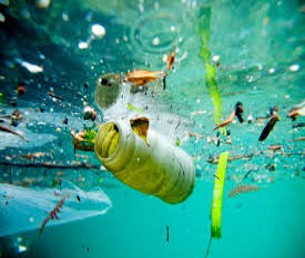
  • Microplastic (MPs) pollution represents a growing concern for contemporary society, due to the constant increase in plastic production and its disposal and accumulation in the aquatic environments.
  • Microplastics (MPs) (plastic particles < 5 mm in size) have become the most ubiquitous type of anthropogenic litter contaminating aquatic environments worldwide, and are capable of harming aquatic organisms and entering the food web.

Microplastic sampling techniques

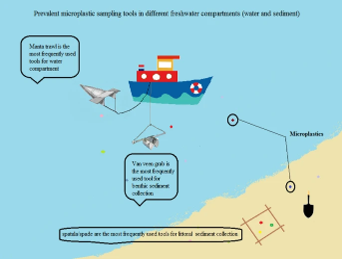
  • The most commonly used field sampling methods for Mps in aquatic environment are nets, bottles, buckets and pumps.
  • Manta net the most used in the marine environment for sampling and monitoring MP contamination.
  • The most frequently used devices in microplastic studies of sediments is Van Veen grab.

Benthic ecosystem and fauna

  • Marine ecosystems consist of two distinct but interdependent compartments: the pelagic and benthic
  • Marine sediments cover the ocean bottom & constitute one of the largest ecosystem on earth
  • The term ‘benthos’ was first used by Haeckel (1890) - meaning ‘depth of the sea’ and refers collectively to all aquatic organisms which make use of sea bottom
  • Classification based on the part of the ecosystem they occupy: infauna, epifauna or hyper benthos
  • Classification based on size (Mare 1942):
  • Macrobenthos (>0.5mm)
  • Meiobenthos (0.5mm to 63µm)
  • Microbenthos (< 62µm)
  • Ecological importance:
  • Key role in remineralization
  • Important component of marine food web
  • Diversity & composition - Indicator of habitat quality
  • Meroplankton - enrich the planktonic community
  • Trophic support for demersal and pelagic fishes

Benthic fauna collection Methods

  • Different type of gears are employed to collect different functional groups of benthic fauna
  • Grab: A quantitative collection approach to study the soft bottom benthic fauna. Used to known quantity of sediments from the aquatic terrane by grabbing a portion sediment with organism from bottom.
  • Suitable for studying Macro, Meio and Microfauna.
  • It can be operated either handheld mode or by means of mechanical winch according to the sampling depth and weight of the gear.

Plankton & Their Relevance

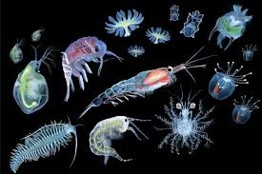
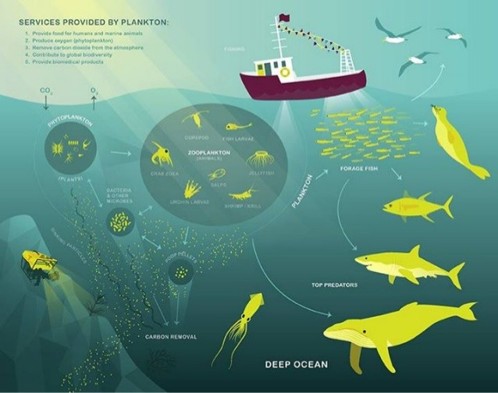
  • Plankton are a fundamental component of the marine food web, performing photosynthesis (Phyto plankton)and secondary production (zooplankton).
  • They are collected for various studies , including biodiversity, population dynamics and environmental health assessments.
  • The Study of plankton will provide understanding on productivity and fisheries, in relation to environmental conditions.

Plankton Nets

  • Plankton nets are crucial tool in marine research, used to collect samples of plankton from various water bodies.
  • They come in different sizes and mesh types to suit diverse research needs.
  • Design : The funnel shaped, fine-meshed net is towed through water to concentrate plankton.
  • Principle: As the net moves through water, it filters out particles larger than the mesh size for further detailed analysis.

Fishery Sampling Solutions

Sustainable fisheries management relies on accurate, scientific data collection. At Deed Marine Research Solutions, we design and manufacture advanced fishery sampling gears that support stock assessment, biodiversity studies, ecosystem monitoring, and marine research programs.

Scientific sampling nets are precision-engineered for specific environments, depths, and target species. Unlike commercial fishing gear, sampling nets ensure standardized effort, species selectivity, and reliable data.

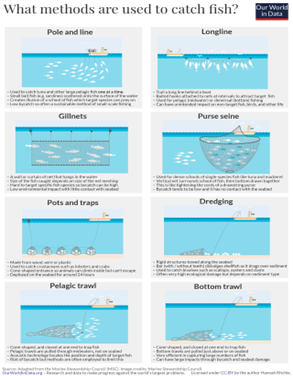
Sampling gear is classified by mode of operation: surrounding, towing, or entangling. Choosing the right gear ensures representative sampling, reduces habitat disturbance, and improves biomass and abundance estimates. Selecting the correct mesh size is also essential for accurate species composition and size distribution, supporting responsible fisheries management.

Trawl Nets

Trawl nets are conical, bag-shaped sampling gears towed by a research vessel for collecting demersal or pelagic species.

  • Bottom Trawls – Operated along the seabed to sample demersal fish and benthic organisms.
  • Midwater Trawls – Deployed within the water column to collect pelagic species without disturbing the seabed.

Our trawl nets are made from high-quality, durable materials and can be customized for specific survey needs, including mesh size, cod-end design, mouth opening, and rigging. We also provide trawl net repair services.
Fishing Nets

  • Designed for various fishery research purposes, these nets help in the study and management of fish populations
  • Trawl nets
  • Shrimp trawl net
  • IKMT(Isaacs-Kid midwater trawl)